

Aircraft import projects can look simple on paper, until the paperwork, inspection findings, and timing all collide. For operators, lessors, and maintenance teams, FAA DAR services for aircraft import are often the difference between a smooth entry into U.S. service and a costly delay.
The challenge is not just getting an aircraft into the country. It is making sure the airplane is properly documented, inspected, and positioned for airworthiness certification so it can move from arrival to operation without unnecessary downtime.
What FAA DAR Services Do In An Aircraft Import
A Designated Airworthiness Representative, or DAR, helps the FAA carry out airworthiness functions on eligible aircraft. In an import scenario, the DAR is commonly involved in reviewing records, assessing conformity, supporting inspections, and helping determine whether the aircraft can be issued the proper airworthiness approvals for U.S. operation.
For international aircraft operators, leasing companies, and buyers, this support matters because import is not just a logistics event. It is a regulatory event. The aircraft must align with FAA expectations before it can be placed into service in the United States.
Why The Import Process Gets Complicated
Even well-maintained aircraft can have import issues. Common problems include incomplete maintenance records, undocumented modifications, missing status for life-limited parts, or inconsistencies between the aircraft’s configuration and approved data.
That is why FAA DAR services for aircraft import are often paired with a focused technical review. The goal is to identify issues early, before they become findings that delay certification or drive up repair costs.
What A DAR Typically Reviews
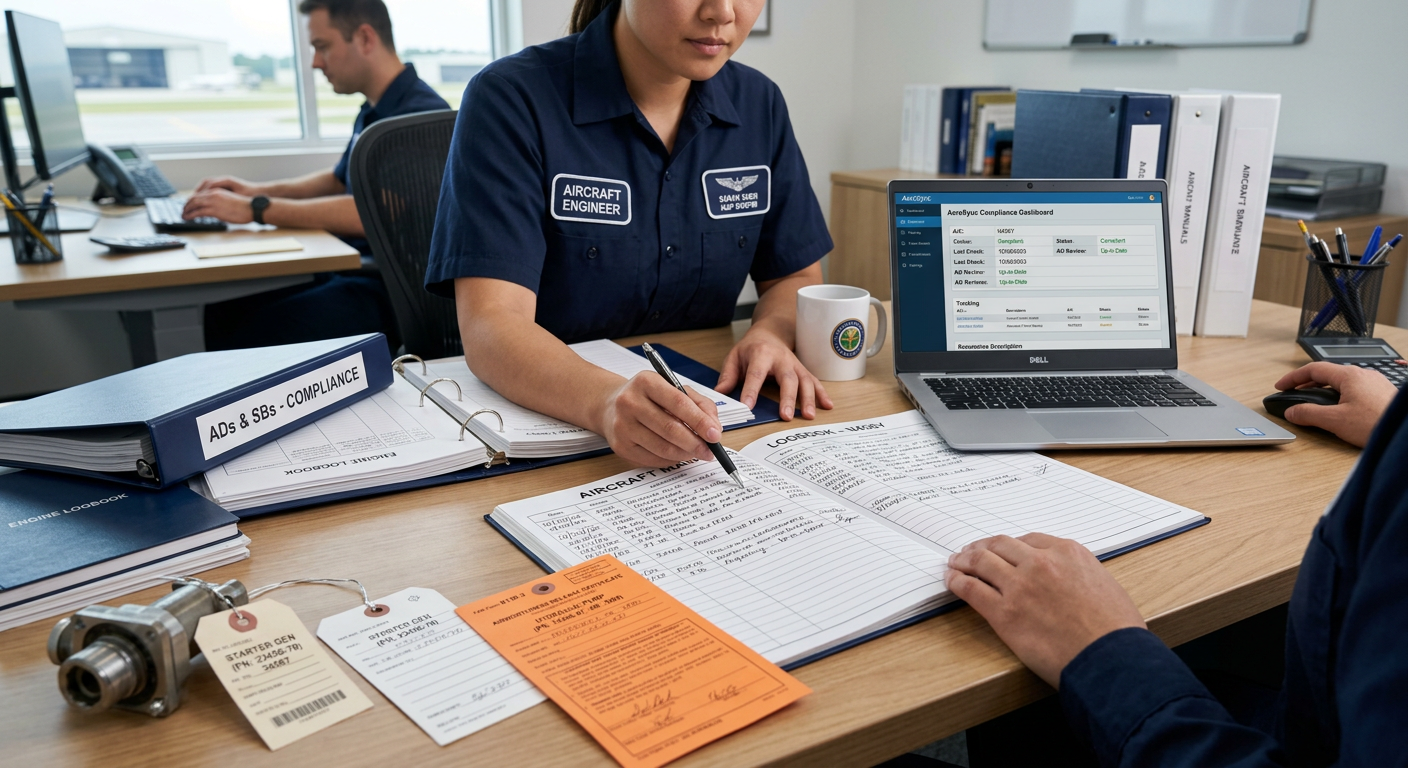
A strong import evaluation usually centers on four areas:
- Aircraft logbooks and maintenance history
- Compliance with applicable airworthiness directives
- Modifications, repairs, and configuration status
- Physical condition of the aircraft and major systems
For many buyers and lessors, this review also supports broader transaction goals, such as pre-purchase decision-making, lease-return planning, and maintenance cost forecasting.
When FAA DAR Support Is Most Valuable
DAR support becomes especially valuable when timelines are tight or the aircraft has a complex history. That includes aircraft moving between jurisdictions, aircraft coming off lease, or jets with substantial maintenance and modification records that need reconciliation.
It is also useful when you want to reduce uncertainty before shipment or delivery. A good pre-import review can uncover gaps that are easier and cheaper to resolve before the aircraft is on the ground in the U.S.
Common Stakeholders Who Benefit
- Commercial airlines importing fleet aircraft
- Aircraft leasing companies managing redelivery or repositioning
- MROs preparing aircraft for inspection and certification
- VIP and owner-operated jet buyers
- International operators entering the U.S. market
Each of these groups has different business pressures, but the same basic need, a compliant aircraft with clean documentation and a clear path to approval.
How DAR Services Fit Into A Bigger Compliance Strategy
In practice, import certification works best when it is part of a broader compliance plan. That can include records review, aging aircraft assessments, lease-return verification, and special flight permit support when the aircraft needs to move before final certification.
If you are dealing with an older airframe, a records and structure review is especially important. For operators subject to aging aircraft requirements, confirming documentation early can prevent surprises later in the process.
Helpful Questions To Ask Early
- Are all logbooks complete and traceable?
- Are major repairs and alterations properly documented?
- Does the current configuration match approved data?
- Are there open discrepancies that could block certification?
- Is the aircraft ready for inspection, or does it need corrective work first?
What A Smooth Import Project Usually Looks Like
The best import projects tend to follow a simple pattern. First, the records are reviewed. Then any gaps are identified. Next, the aircraft is inspected and prepared for the DAR process. Finally, the certification path is completed with minimal last-minute disruption.
That sequence saves time because it reduces rework. It also helps owners, buyers, and lessors make better financial decisions by clarifying what the aircraft really needs before it enters the U.S. system.
FAQ
What is the main role of a DAR in aircraft import?
A DAR helps support the FAA’s airworthiness process by reviewing records, inspecting the aircraft, and assisting with certification steps needed for U.S. operation.
Can an aircraft be imported without a full technical review?
Technically, an aircraft can arrive without one, but that usually increases risk. A technical review helps identify documentation and conformity issues before they affect certification.
How early should DAR services be engaged?
As early as possible. Early engagement gives you time to review records, correct gaps, and plan inspections before the aircraft reaches the final approval stage.
Do lease-return aircraft need special import attention?
Yes. Lease-return aircraft often require close review because maintenance status, modifications, and redelivery standards may need to be reconciled before import or re-entry into service.
What if the aircraft has incomplete maintenance records?
Incomplete records can slow the process significantly. In many cases, the aircraft will need deeper investigation, supporting evidence, or corrective action before certification can move forward.
Is DAR support useful for pre-purchase evaluations too?
Absolutely. Many buyers use import-oriented reviews as part of a broader pre-purchase evaluation because the same issues that affect import can also affect value and readiness.
Move Your Import Project Forward With Confidence
If you are planning an aircraft import, don’t wait until the last stage to find the gaps. The smartest move is to get the records, conformity, and certification path reviewed early so your team can avoid delays and unnecessary cost.
Air Tech Consulting provides FAA DAR support, import and export airworthiness certification, records review, lease-return inspections, and technical guidance for aircraft transactions. If you want a clearer path from delivery to approval, start with a focused compliance review at https://airtechconsulting.com.
Final Takeaway
Aircraft import is rarely just an administrative task. It is a technical and regulatory process that rewards preparation. With the right FAA DAR support, you can reduce uncertainty, protect schedule, and put the aircraft on a cleaner path to service in the United States.


